National cost guides put a full siding replacement at an average of $11,533 (HomeAdvisor, normal range $5,560 to $17,646) or $14,500 for a 2,000 sq ft home (Fixr, range $8,500 to $20,000). The 2025 Cost vs. Value Report prices a defined vinyl siding job at $17,950 and fiber cement at $21,485. Material, the size and shape of the house, trim work and what turns up under the old siding decide where a Maryland project lands, so treat these as planning ranges, not quotes.
Siding takes the hit from summer sun, freeze-thaw cycles and the heavy storms that roll through Central Maryland. When it starts to crack, warp or let water behind it, homeowners in Catonsville, Ellicott City and the surrounding towns face the same questions: can it be repaired, what will a full replacement cost, and which material makes sense for this house? This guide covers published cost data, the main material choices, what pushes the price up, and what to check before you sign a contract.
A few loose or damaged panels can usually be repaired. These signs point toward a full replacement instead:
Three widely used sources give a sense of scale. They measure different things: HomeAdvisor and Fixr summarize what homeowners and contractors report across many job sizes, while the Cost vs. Value Report prices one defined project every year.
| Source | Average | Range |
|---|---|---|
| HomeAdvisor, siding replacement | $11,533 | $5,560 to $17,646 |
| Fixr (January 2026), 2,000 sq ft home | $14,500 | $8,500 to $20,000 |
| 2025 Cost vs. Value, vinyl siding replacement | $17,950 | Defined project |
| 2025 Cost vs. Value, fiber cement siding replacement | $21,485 | Defined project |
Fixr also lists removal and disposal of the old siding at roughly $1,000 to $2,500, depending on the material’s weight and condition. Not every estimate breaks that line out, so ask whether it is included.
Installed cost per square foot varies by material. HomeAdvisor and Fixr publish similar ranges, and InterNACHI’s estimated life expectancy chart gives a rough idea of how long each one lasts:
| Material | Installed cost per sq ft | InterNACHI life expectancy |
|---|---|---|
| Vinyl | $3 to $12 | 60 years |
| Fiber cement | $5 to $14 | 100+ years |
| Engineered wood | $1 to $6 (HomeAdvisor); $2 to $10 (Fixr) | Not listed for siding |
| Aluminum | $3 to $6 (HomeAdvisor); $3 to $10 (Fixr) | 25 to 40+ years |
| Stucco | $7 to $9 (HomeAdvisor); $7 to $17 (Fixr) | 50+ years |
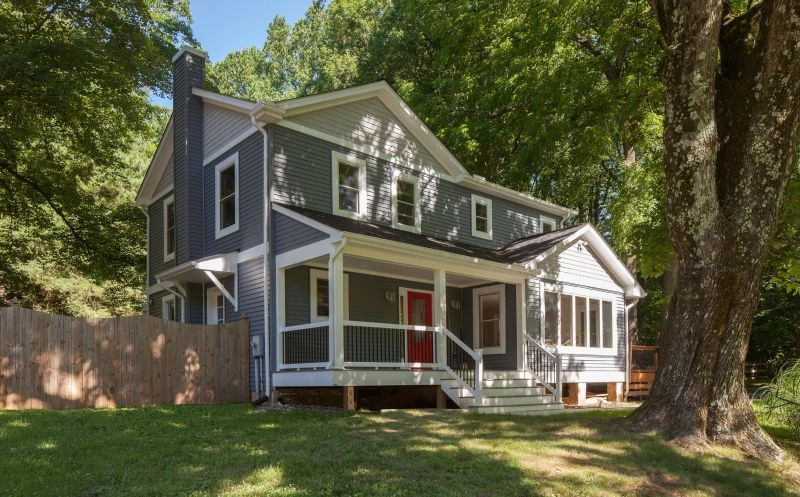
Siding is priced by wall area, but a simple two-story box is faster to side than a house with dormers, bump-outs, gables and many corners. Each window and door needs trim and flashing, which adds labor even when the wall area is the same.
Second- and third-story walls need ladders, staging or lifts. Steep yards, decks and tight lot lines slow the crew down.
Once the old siding comes off, the crew can see the sheathing. Soft or rotted boards, missing house wrap and failed flashing around windows have to be fixed before the new siding goes on. A good proposal carries an allowance for this, because no one can see it until tear-off.
Many homeowners replace fascia, soffits, window trim and gutters at the same time so the whole exterior matches and nothing old is left to rot behind new siding. That adds cost but often saves a second project later.
Within each material there are good, better and best lines. Thicker vinyl, insulated panels, premium colors and specialty profiles such as board and batten or shakes cost more than standard lap siding.
Many homes in Catonsville, Arbutus, Towson and the older parts of Ellicott City were built well before 1978. If yours was, the painted trim and siding may contain lead. Under the EPA’s Renovation, Repair and Painting Rule, work that disturbs more than 20 square feet of painted exterior surface on a pre-1978 home must be done by a certified firm using lead-safe work practices. Our post on choosing an EPA lead-safe certified contractor explains what to look for.
Some older houses also have a layer of asbestos-cement shingles under later siding. If you suspect it, have it tested before anyone cuts or removes it, and use a licensed abatement contractor if the test is positive.
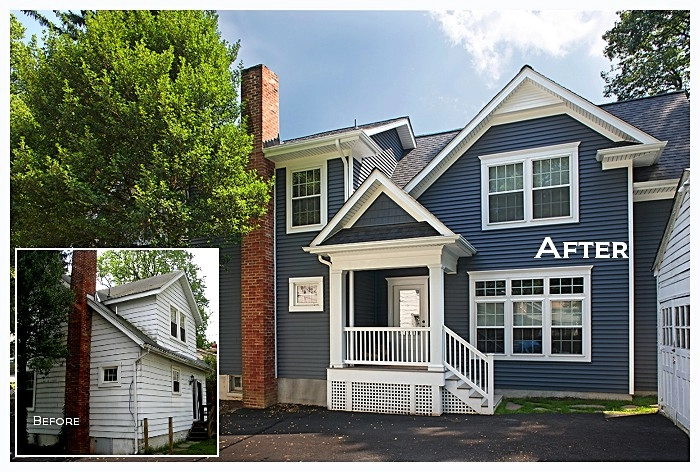
Permit rules for siding vary by county, so confirm with Baltimore County, Howard County or Anne Arundel County before work starts. Whatever the permit answer, the installation rules still apply. Baltimore County’s guidance for exterior work states that when siding is replaced, a water-resistive barrier is to be installed, and that flashing is to be installed around all windows and doors. That is a strong argument for removing the old siding rather than covering it.
If you live in a community with an HOA, check whether siding color and material need approval. Many associations require it, and approval can take a few weeks.
Siding can be installed most of the year in Maryland, but very cold weather makes vinyl brittle and harder to work, and some paints and caulks have minimum application temperatures. Spring and fall are the easiest seasons to schedule.
Siding is one of the stronger projects in the Cost vs. Value data. In the 2025 report, fiber cement siding replacement had an average job cost of $21,485 and added an estimated $24,420 in resale value, recouping 114% of its cost. Vinyl siding replacement averaged $17,950 and added about $17,313, recouping 97%. Those are national averages, and actual value depends on the house and the local market, but new siding is a project buyers notice from the curb.
Our siding installation team handles vinyl and fiber cement siding across Baltimore County, Howard County and Anne Arundel County, often together with roofing work. Homeowners in Howard County can also see our roofing and siding work in Ellicott City, and you can browse finished exteriors in the roofing and siding gallery.
Wall to Wall Construction replaces siding, trim and roofing for homeowners across Central Maryland through our siding installation team. We will look at your house, check what is under the old siding where we can, and give you a clear, itemized estimate.