Home Additions

How Much Does a Home Addition Cost in Maryland?

By Wall to Wall Construction · Catonsville, MD · 9 min read
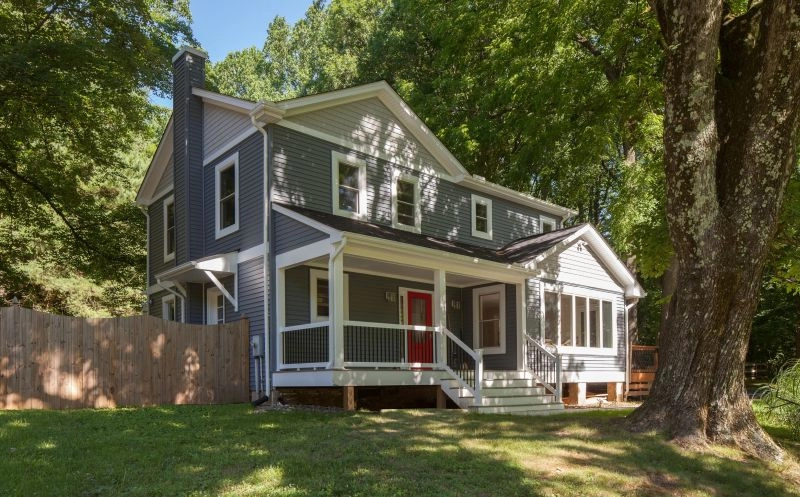
Interior of a finished house addition in Baltimore County, MD
Short answer

Most home additions in the Baltimore area cost somewhere between about $27,000 and $83,000, according to Angi’s Baltimore cost data (updated September 2025). A small bump-out or mudroom can land well below that, while a primary suite or second story commonly runs into six figures. Your number depends on size, building out or up, plumbing and HVAC, and the condition of the house. Treat every figure here as a planning range, not a quote.

If you are weighing an addition for a home in Catonsville, Ellicott City, Columbia, Towson or elsewhere in Baltimore County, Howard County or Anne Arundel County, this guide walks through what each type of addition typically costs, what pushes the price up or down, and how permits and timelines work locally.

Typical home addition costs by type

Published cost data gives a useful starting point. Angi’s Baltimore figures put the average home addition at roughly $54,700, with most projects between about $26,900 and $83,000. Their per-square-foot ranges show the biggest single factor clearly:

Building out: $80–$200 / sq ftA single-story addition or bump-out on the side or back of the house.
Building up: $300–$500 / sq ftA second story on top of the existing house.

By room type, Angi’s Baltimore averages include:

Addition typeTypical Baltimore-area range
Mudroomabout $12,900 to $14,800
Living or dining roomabout $32,100 to $36,900
Bathroomabout $37,500 to $43,100
Sunroomabout $50,300 to $57,800
Kitchenabout $58,900 to $67,700
Bedroomabout $66,900 to $76,900
In-law suiteabout $88,600 to $101,900
Second storyabout $187,300 to $215,100
For larger projects, the 2025 Cost vs. Value report lists a midrange primary suite addition at about $165,000 to $171,000 and a midrange bathroom addition at about $59,000 to $61,000 (national averages). Those include finishes, plumbing and HVAC that simpler room additions may not need.

The takeaway: a family room bump-out and a primary suite with a new bathroom are very different projects, even if they add similar square footage.
Two-story home with siding and stone exterior after an addition by Wall to Wall Construction
An addition matched to the existing siding, stone and rooflines.

What drives the cost of an addition

Building out vs. building up

Building out needs a new foundation, but the existing house is left mostly alone. Building up avoids new foundation work, yet often requires reinforcing walls and footings, removing the roof and protecting the house below during construction. On many lots, building out costs less per square foot. On tight lots where setbacks or lot coverage limit a ground-level addition, going up may be the only option. Our second story addition cost guide covers that path.

Foundation type

A crawl space or slab usually costs less than a full basement under the addition. A basement adds expense but also usable square footage, which can make sense if the house already has one.

Plumbing and “wet” rooms

Bathrooms, kitchens and laundry rooms cost more per square foot than bedrooms or family rooms because they need supply and drain lines, venting, tile and fixtures. An addition with a bathroom will almost always cost more than one without.

Heating and cooling

Your existing system may not have capacity for extra space. Options include extending ductwork, adding a ductless mini-split or upgrading the main equipment, depending on the addition’s size and the age of your system.

Tying into an older house

Much of the housing in Catonsville, Towson and older parts of Ellicott City dates from the early and mid-1900s. Matching rooflines, siding, trim and floor heights takes more labor than adding onto a newer home, and opening walls can reveal wiring or framing that must be brought up to code.

Finishes

Flooring, windows, cabinetry, tile and fixtures can swing the total significantly. A builder-grade bedroom and a high-end primary suite can differ by tens of thousands of dollars at the same size.

Design, engineering and permits

Plan on drawings, sometimes a structural engineer, and permit fees. Angi lists site preparation at roughly $1,500 to $5,000 on top of construction, and permit fees vary by county and project size.

Popular types of additions in the Baltimore area

Bump-outsExtend one room a few feet, often a kitchen, bath or dining area. See our bump-out addition guide.
Single-room additionsA family room, office, bedroom or sunroom on the back or side of the house.
Primary suitesBedroom, bathroom and closet together, often on the first floor for aging in place.
In-law suitesA suite with its own bath and sometimes a kitchenette. A garage conversion can be a lower-cost alternative.
Second storiesA full new floor without using yard space. The most involved type of addition.
Additions with a remodelMany homeowners pair an addition with a kitchen or bath update while the crew and permits are in place.

Permits for home additions in Maryland

Every addition needs a building permit, and in Maryland permits are issued by the county (or by the city in Baltimore City and a few incorporated towns). In our service area that means:

  • Baltimore County: Department of Permits, Approvals and Inspections
  • Howard County: Department of Inspections, Licenses and Permits
  • Anne Arundel County: Department of Inspections and Permits

Expect to submit drawings showing the addition’s size and location on the lot, structural details, and electrical, plumbing and mechanical plans. Zoning setbacks and lot coverage limits decide how large an addition can be and where it can go. Homes in historic districts, such as parts of Old Ellicott City, or in neighborhoods with HOA rules may also need design approval before the county permit is issued. Your contractor should handle the drawings, filing and inspections.

How long does a home addition take?

  1. Design and selections: several weeks to a few months, depending on how quickly decisions are made.
  2. Permitting: depends on the county’s review workload and whether zoning or historic review is involved.
  3. Construction: a small bump-out may take a few weeks; a single-room or primary suite addition typically takes a few months. Second stories take longest.

Weather matters too. Foundation and framing work is easiest outside the coldest weeks, so many homeowners start design in late fall or winter to be ready to build in spring.

Is a home addition worth it?

Additions rarely return their full cost at resale. In the 2025 Cost vs. Value data, a midrange primary suite addition recouped roughly a third of its cost. The stronger case is usually personal: getting the space you need without the cost, taxes and disruption of moving, and staying in a neighborhood and school district you already like.

How to plan your addition budget

  1. Start with how you will use the space, not a square footage number. A well-planned smaller addition often works better than a larger one.
  2. Decide early whether it needs plumbing. That single choice shifts the budget more than almost anything else.
  3. Keep a contingency of 10 to 15 percent, especially on older homes where walls may hide surprises.
  4. Ask for an itemized proposal so you can see where the money goes and where you can adjust.
  5. Consider remodeling at the same time while the crew, permits and disruption are already in place.

Key takeaways

  • Baltimore-area additions average about $54,700, with most between about $27,000 and $83,000 (Angi).
  • Building out runs about $80 to $200 per sq ft; building up about $300 to $500.
  • Bathrooms, kitchens and older-house tie-ins push costs up the most.
  • Every addition needs a county permit; zoning, HOA and historic rules may add review time.

Frequently asked questions

How much does a home addition cost in Maryland?
In the Baltimore area most home additions cost roughly $27,000 to $83,000, based on Angi’s 2025 Baltimore data. Small bump-outs can cost less, while primary suites and second-story additions often exceed $150,000. The final price depends on size, foundation, plumbing, HVAC and finishes.
Is it cheaper to build out or build up?
On most lots building out costs less per square foot. Angi’s Baltimore data shows about $80 to $200 per square foot for building out versus about $300 to $500 for a second story. Building up can make sense when setbacks or lot coverage limits leave no room to expand at ground level.
Do I need a permit for a home addition in Maryland?
Yes. Every addition needs a building permit from the county, such as Baltimore County Permits, Approvals and Inspections, Howard County Inspections, Licenses and Permits, or Anne Arundel County Inspections and Permits. Zoning, historic district and HOA rules may also apply.
How long does it take to build a home addition?
Plan for design, permitting and construction. A small bump-out may be built in a few weeks, a single-room or primary suite addition usually takes a few months of construction, and a second story takes longest. Permit review times vary by county.
Does a home addition add value to my house?
It adds usable space and some resale value, but additions rarely return their full cost at sale. The 2025 Cost vs. Value report shows a midrange primary suite addition recouping roughly a third of its cost. Most homeowners build an addition because it is a better fit than moving.

Talk through your addition with a local builder

Wall to Wall Construction designs and builds home additions across Baltimore County, Howard County and Anne Arundel County, including home additions in Catonsville, Ellicott City and Towson. We will look at your house and lot and give you a clear, itemized estimate.
Sources: Angi, “How Much Do Home Additions Cost in Baltimore, MD?” (updated September 2025); Journal of Light Construction, Cost vs. Value Report 2025. Costs vary by project, location, materials and site conditions.
Wall to Wall Construction, LLC · 11 Newburg Ave, Ste 100, Catonsville, MD 21228 · 410-788-3990 · MHIC #123700
Call Request A Quote